Educator/Parent Resources
Book discussion guides for educators and parents.
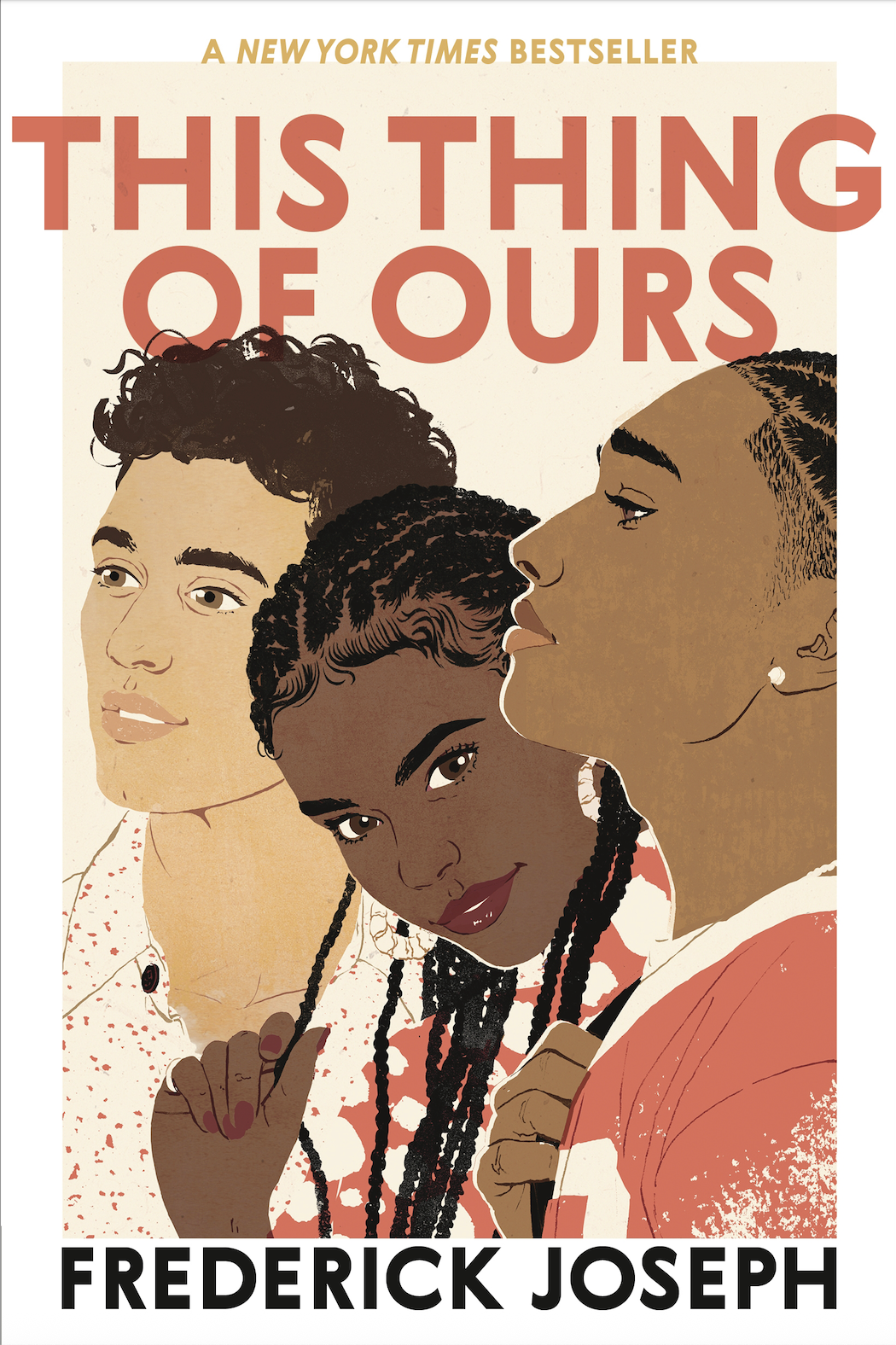
For educators and parents, This Thing of Ours offers more than a compelling story. It creates space for urgent and necessary conversations about identity, equity, voice, and the power of literature in young people’s lives. Through Ossie Brown’s journey from athlete to writer, students are invited to examine how race, class, and belonging shape their experiences, while also engaging critically with themes like book banning, social media influence, and the role of storytelling in shaping truth.
This novel works well for classroom discussion, writing prompts, and cross-disciplinary learning. It encourages students to think deeply about whose stories are told, whose are silenced, and what it means to find and use your voice in a complicated world.
Book discussion guides for educators and parents.
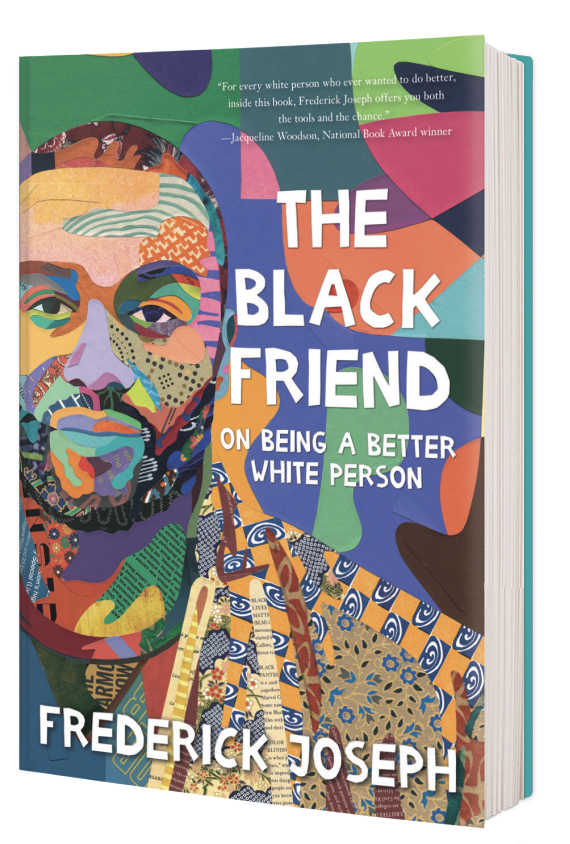
For educators and parents, The Black Friend serves as both a conversation starter and a practical tool for guiding students through honest discussions about race, identity, and accountability. Written with clarity and candor, the book invites readers to confront everyday moments of bias and misunderstanding while offering language and frameworks to respond with awareness and respect.
Blending personal narrative with contributions from artists and activists, this text supports critical thinking around topics such as privilege, cultural appropriation, and systemic inequality. It works effectively across classrooms, affinity spaces, and professional development settings, helping students and educators alike move from discomfort to understanding, and from understanding to meaningful action.